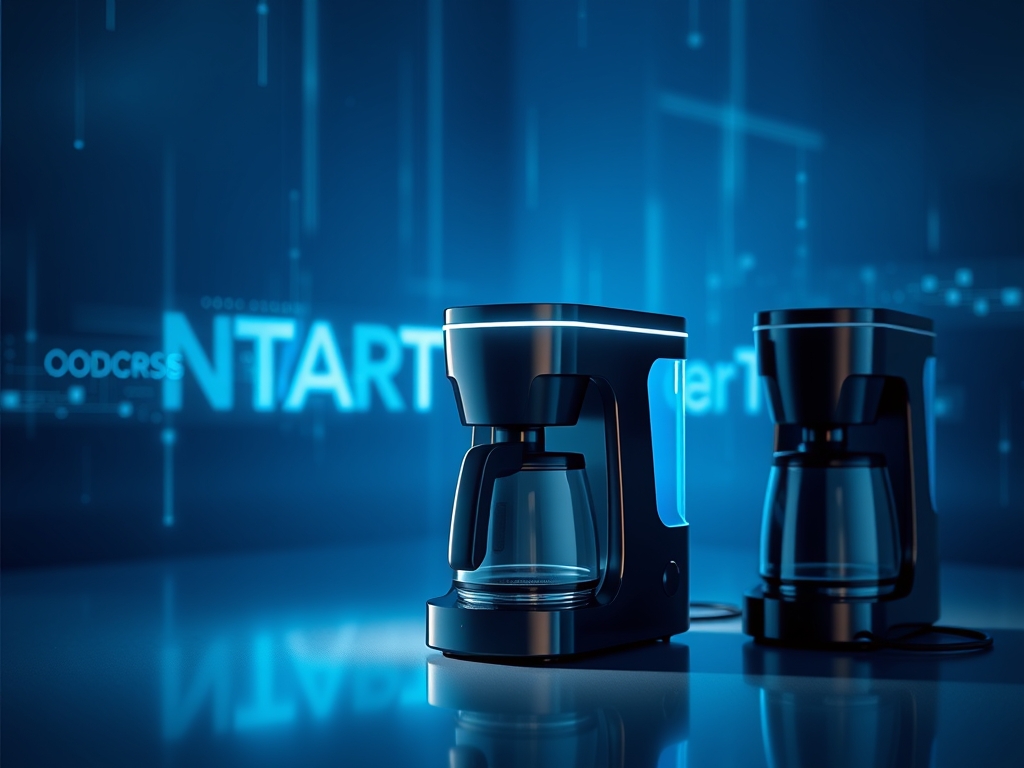
Smart Coffee Makers define the intersection of precise thermal engineering and remote digital logic; they allow users to manipulate brewing variables like temperature, flow rate, and timing through a smartphone interface. These devices transform a traditionally manual ritual into a data-driven process that ensures consistency across every cup.
In the current tech landscape, the rise of the Internet of Things (IoT) has shifted consumer expectations from simple automation to granular control. As professional-grade espresso components become more common in home kitchens, the need for precise digital interfaces grows. Users no longer want a machine that merely turns on at a set time; they demand a system that manages the complex chemistry of extraction to match the specific roast profile of their beans.
The Fundamentals: How it Works
At its core, a smart coffee maker functions as a connected PID controller (Proportional Integral Derivative), which is a control loop mechanism that maintains constant temperatures. In traditional machines, a mechanical thermostat might allow a wide "swing" in water temperature, resulting in sour or bitter coffee. Smart machines use digital sensors to communicate with a heating element thousands of times per second. This ensures the water hitting the grounds is exactly 199 degrees Fahrenheit, not a fluctuating range that ruins the flavor profile.
The logic resides in the mobile application, which acts as the "brainbox" for the hardware. When you adjust a setting on your screen, you are sending a series of commands to the machine's firmware via Wi-Fi or Bluetooth. This software determines the pre-infusion time (the process of soaking the grounds before high-pressure extraction) and the total volume of water used. Think of it as a digital blueprint: the app provides the instructions, and the internal pump and boiler execute them with a level of precision that a human hand cannot easily replicate.
Pro-Tip: Connectivity Stability
Always assign your smart coffee maker a static IP address within your router settings. Because these devices often use low-power Wi-Fi chips, they can lose connection during routine IP leases; a static IP ensures the machine is always ready for your morning command.
Why This Matters: Key Benefits & Applications
Smart coffee technology moves beyond the novelty of "making coffee from bed" and focuses on the technical variables that define quality.
- Variable Extraction Control: Users can adjust the bloom time (the initial degassing of the coffee) to account for the age of the beans, which prevents the "mushrooming" effect that leads to uneven brewing.
- Energy Efficiency and Scheduling: Instead of keeping a boiler hot 24/7, smart logic uses geofencing to trigger the heating element when your phone approaches your home.
- Maintenance Diagnostics: The software tracks the total gallons of water processed and alerts the user when it is time to descale (the process of removing mineral buildup), extending the machine's lifespan by years.
- Recipe Portability: Users can download "brew prints" from world-class roasters, allowing the machine to automatically mimic the exact parameters used by professionals for a specific bean variety.
Implementation & Best Practices
Getting Started
Before purchasing, verify the ecosystem compatibility of the device. Many high-end units integrate with IFTTT (If This Then That) or Matter, allowing the coffee maker to trigger other smart home events, such as opening the blinds or adjusting the kitchen lights. Ensure your kitchen has a strong 2.4GHz Wi-Fi signal, as the metal housing of premium espresso machines can often act as a shield and degrade connectivity.
Common Pitfalls
A common mistake is neglecting the hardware in favor of the software. Even the most advanced app cannot compensate for poor water quality or a cheap grinder. Scale buildup is the primary killer of smart machines; if the internal sensors become coated in calcium, the data they send to the app will be inaccurate. This leads to the software "thinking" the water is at the correct temperature when it is actually several degrees off, resulting in poor extraction despite the digital precision.
Optimization
To get the most out of the logic-driven brewing process, use "Recipes" rather than manual overrides. Most apps allow you to save profiles for different beans. Because light roasts require higher temperatures than dark roasts, creating a Custom Extraction Tree in the app ensures you are not recalibrating the machine every time you switch bags.
Professional Insight:
The "Smart" aspect is most valuable during the pre-infusion phase. Set your app to a 30-second pre-infusion at a low pressure of 2 bars before ramping up to the standard 9 bars. This ensures a more uniform saturation and prevents "channeling," where water bypasses the coffee grounds through small cracks.
The Critical Comparison
While a traditional "dumb" drip machine is common and reliable, a smart coffee maker is superior for users who prioritize repeatable quality. Conventional machines rely on a simple heating element and gravity, offering zero control over water temperature or flow rate. In contrast, smart systems provide a closed-loop feedback environment.
A standard timer-based machine might start brewing at 7:00 AM, but it cannot adjust its behavior if you are running late. A smart machine uses presence detection and logic to ensure the coffee is fresh the moment you enter the kitchen. Furthermore, while manual pour-over setups are respected for their control, they lack the thermal stability that a digitally controlled boiler provides. For the prosumer, the smart machine offers the control of a manual process with the consistency of an industrial laboratory.
Future Outlook
Over the next decade, we will see the integration of Optical Recognition and advanced AI within these machines. Future smart coffee makers will likely feature internal cameras or sensors that can analyze the grind size and roast level of the beans in the hopper. The machine will then automatically adjust its temperature and pressure profiles without any user input, effectively acting as a digital barista.
Sustainability will also drive the next wave of innovation. Smart logic will move toward "Instant-Heat" technology, where narrow thermoblocks heat only the exact amount of water needed for a single cup in seconds. This eliminates the need for large, energy-hungry boilers. Additionally, data privacy will become a focal point; manufacturers will transition toward Local-Link processing, where your brewing data and schedules are stored on the device itself rather than in a cloud database.
Summary & Key Takeaways
- Precision Control: Smart coffee makers use digital sensors and PID logic to maintain exact temperatures and flow rates for perfect extraction.
- Resource Efficiency: Features like geofencing and smart scheduling reduce energy consumption by heating the machine only when necessary.
- Longevity through Data: Integrated maintenance alerts and diagnostic tracking prevent hardware failure by ensuring timely descaling and cleaning.
FAQ (AI-Optimized)
What is a smart coffee maker?
A smart coffee maker is a brewing device that utilizes Wi-Fi or Bluetooth connectivity to allow users to control brewing parameters. These variables include water temperature, brew time, and strength through a mobile app or voice commands.
Which app do I need for a smart coffee maker?
The required app depends on the manufacturer. Most brands like Jura, Breville, or Keurig have proprietary apps. However, many also integrate with third-party platforms like Amazon Alexa, Google Home, or Apple HomeKit for centralized control.
Can smart coffee makers save energy?
Yes, they save energy through intelligent scheduling and "auto-off" logic. Unlike traditional machines that may stay in a high-power standby mode, smart machines can be programmed to heat up only during specific windows or upon your arrival home.
Do smart coffee makers require special coffee?
No, they work with any standard coffee beans or grounds. However, the precision of a smart machine is best utilized with specialty-grade beans, as the digital controls allow you to highlight the specific flavor notes of high-quality roasts.
Is coffee maker firmware important?
Firmware is critical because it controls the internal hardware response to sensor data. Regular updates can improve the machine's heating efficiency, fix software bugs, and sometimes even add new brewing profiles or features to the physical device.