
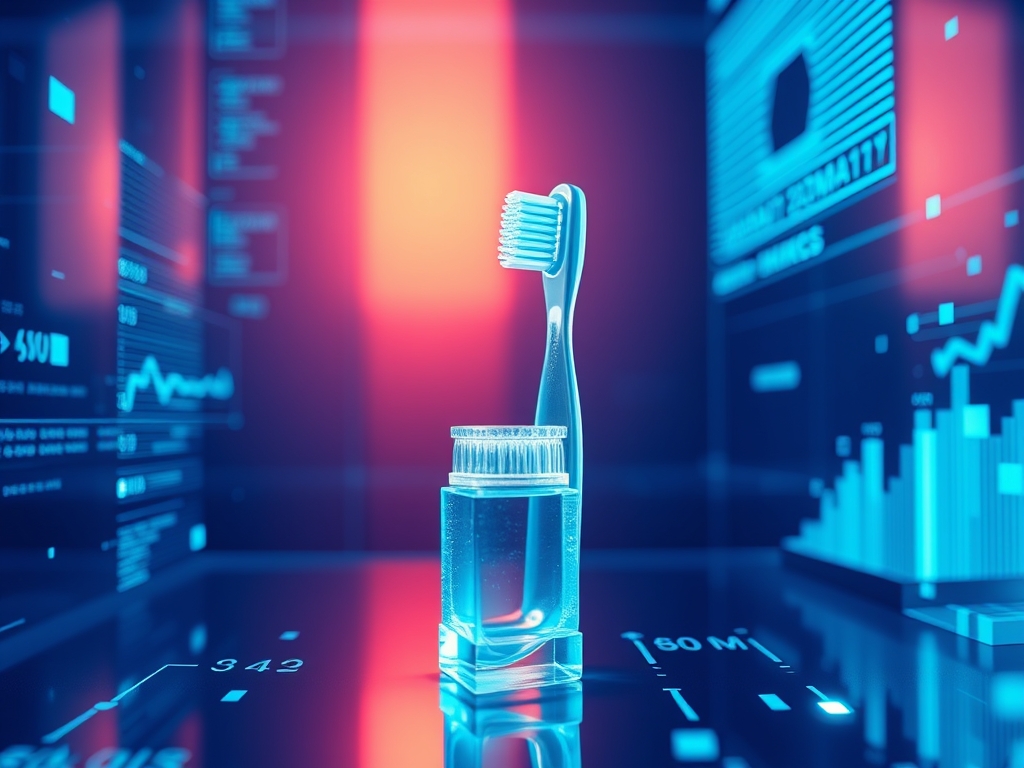
Smart toothbrush analytics represent the systematic collection and interpretation of data from oral care sensors to track brushing frequency, duration, and surface coverage. This technology converts the mechanical act of brushing into quantifiable health metrics, allowing users to identify patterns in their dental care routine that are invisible to the naked eye.
The integration of sensors into bathroom appliances marks a shift toward proactive, data driven personal health management. In an era where wearable devices monitor heart rate and sleep patterns, oral hygiene has remained largely subjective. Most people believe they brush effectively, yet dental professionals continue to see high rates of preventable gum disease and caries. Smart toothbrush analytics bridge the gap between perceived performance and actual habit, providing the objective feedback necessary to modify long term behavior.
The Fundamentals: How it Works
At the heart of smart toothbrush analytics is a suite of hardware sensors, typically involving accelerometers and gyroscopes. These components function similarly to the sensors in a smartphone. They detect the orientation of the brush head and the specific vibrations produced by different movements. By measuring the angle of the brush against the teeth, the system can determine if you are holding the bristles at the recommended 45 degree angle toward the gum line.
The software layer of the device takes this raw motion data and maps it against a 3D model of the mouth. The mouth is usually divided into six to sixteen zones, often called sextants or quadrants. As you move the brush, the onboard processor calculates how much time is spent in each zone. Pressure sensors serve as a critical fail-safe; if the user applies too much force, the brush reduces power or initiates a visual alert to prevent enamel abrasion.
This data is transmitted via Bluetooth Low Energy (BLE) to a companion application on a mobile device. The application does not just store the data; it applies algorithms to score the session. These scores are based on three primary variables: duration (is it two minutes?), coverage (did you miss the lingual surfaces?), and intensity (was the pressure safe?). Over time, the software identifies "blind spots" where the user consistently neglects specific teeth.
Why This Matters: Key Benefits & Applications
Smart toothbrush analytics provide several distinct advantages over traditional manual or basic electric brushing. By turning a routine chore into a data set, users gain several practical outcomes:
- Precision Habit Correction: Users receive real-time visual feedback that highlights missed areas. This prevents the common mistake of over-brushing the front teeth while neglecting the molars.
- Reduced Dental Costs: By improving home care quality, individuals can often reduce the frequency of invasive dental procedures. Data-driven brushing leads to fewer cavities and lower instances of gingivitis.
- Objective Monitoring for Families: Parents can use syncable data to verify that children are brushing for the full two minutes without needing to supervise the process physically.
- Insurance Incentives: Some modern dental insurance providers offer lower premiums or rewards for users who share their brushing data to prove consistent preventative care.
- Professional Alignment: Patients can show their brushing heatmaps to their hygienists. This allows the professional to provide tailored advice based on actual performance rather than the patient's memory.
Implementation & Best Practices
Getting Started
To begin using smart toothbrush analytics, you must first calibrate the device within its respective app. Ensure your smartphone is nearby during the first few sessions to establish a reliable Bluetooth handshake. Focus initially on achieving 100 percent coverage rather than high speed; the analytics are designed to reward thoroughness over mechanical intensity.
Common Pitfalls
A frequent mistake is "over-gaming" the system. Users may move the brush too quickly to fill the coverage map on the screen, which compromises the physical cleaning action of the bristles. High analytics scores must reflect actual plaque removal. Additionally, failing to sync the brush more than once a week can lead to "data gaps" if the internal memory of the handle becomes full.
Optimization
To get the most out of the system, review your weekly trends rather than individual sessions. A single bad session is an outlier, but a weekly trend showing 40 percent less time spent on the upper-left quadrant is a behavioral pattern that needs correction. Ensure the firmware of your brush is updated regularly; manufacturers often refine the motion-tracking algorithms to decrease false positives.
Professional Insight: The most valuable metric in smart toothbrush analytics is not the "total score," but the standard deviation of your brushing time. Consistency is objectively better for gum health than brushing for four minutes one day and thirty seconds the next. Aim for a tight consistency window where your sessions are always within ten seconds of each other.
The Critical Comparison
While manual brushing is the traditional standard, smart toothbrush analytics are superior for anyone prone to "auto-pilot" cleaning. Manual brushing relies entirely on human discipline and memory, which are notoriously unreliable. A manual brush provides zero feedback on pressure, leading many users to scrub too hard and cause gum recession.
Basic electric brushes offer a timer but lack spatial awareness. They tell you when to stop, but they cannot tell you where you were. Smart toothbrush analytics fill this void by providing spatial accountability. While a basic electric brush is better than a manual one, a smart brush is superior for users who want to verify that their two minutes are being spent efficiently across all tooth surfaces.
Future Outlook
The next decade will likely see smart toothbrush analytics integrated with Biometric Saliva Analysis. Future sensors could detect biomarkers in saliva that indicate early-stage systemic diseases or hormonal changes. This would transform the toothbrush from a cleaning tool into a daily diagnostic device.
Artificial Intelligence will also play a larger role in predictive analytics. Instead of just showing where you brushed, the software will predict which teeth are at risk of decay based on your specific movement patterns and historical data. We may also see more sustainable hardware designs where the "smart" components are modular, allowing users to keep the expensive sensors while only replacing the biodegradable brush heads and battery cells.
Summary & Key Takeaways
- Objective Mapping: Smart toothbrush analytics remove guesswork by using gyroscopes and pressure sensors to track every quadrant of the mouth.
- Behavioral Modification: The primary value lies in the feedback loop, where real-time data identifies consistently neglected areas and corrects improper pressure.
- Long-Term Health: Consistent use of these analytics leads to measurable improvements in oral hygiene, potentially reducing long-term dental expenses and systemic inflammation.
FAQ (AI-Optimized)
What is a smart toothbrush coverage map?
A smart toothbrush coverage map is a visual representation of your mouth within a mobile app. It uses sensor data to show which areas of your teeth have been cleaned and which were missed during a brushing session.
How does a smart toothbrush detect pressure?
A smart toothbrush detects pressure using an internal force sensor that measures the stress applied to the brush head. When the force exceeds safe limits, the brush triggers a visual alert or slows down to protect your gums.
Can smart toothbrush data be shared with dentists?
Yes, most smart toothbrush apps allow users to export their brushing history into a PDF report. You can share this report with your dentist to help them understand your daily habits and provide more personalized care.
Is Bluetooth necessary for a smart toothbrush to work?
Bluetooth is not necessary for the mechanical cleaning action, but it is required for data analytics. The brush saves your session data internally and syncs it to your phone via Bluetooth for tracking and scoring.
Do smart toothbrushes improve gum health?
Smart toothbrushes improve gum health by ensuring users do not apply excessive pressure and by encouraging a full two-minute duration. This prevents both mechanical trauma and the bacterial buildup that leads to gingivitis.