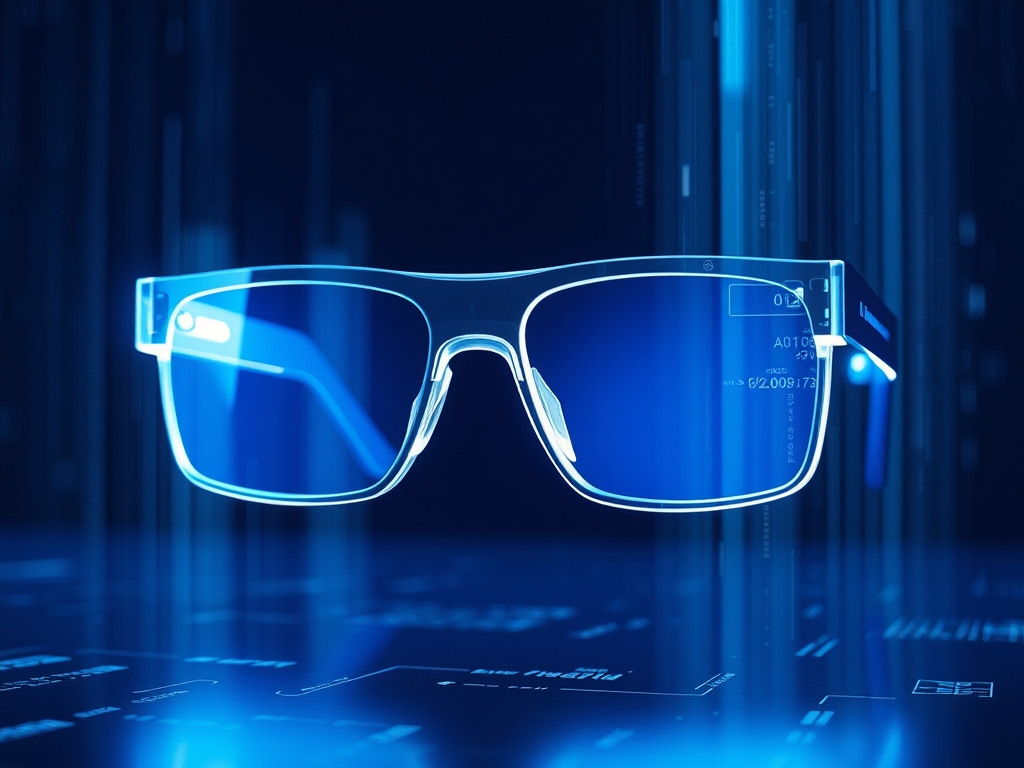
AR Smart Glasses

The Hardware Requirements for Functional AR Smart Glasses

AR Smart Glasses are wearable devices that overlay digital information onto the physical world through transparent optics. They integrate high-performance computing, advanced sensors, and specialized display technology into a form factor that mimics traditional eyewear. As the industry shifts away from handheld screens, the demand for truly functional AR Smart Glasses has surged. Developing these […]

The Hardware Requirements for Functional AR Smart Glasses Read More »
Haptic Touch Systems

Improving User Feedback with Advanced Haptic Touch Systems

Haptic Touch Systems are sophisticated interfaces that use tactile sensations, such as vibrations or physical resistance, to communicate information to a user. Unlike simple vibrations, these systems utilize precise actuators to simulate the feel of physical buttons, textures, and spatial depth on a flat surface. In a professional landscape dominated by glass screens, the lack

Improving User Feedback with Advanced Haptic Touch Systems Read More »

E-Ink Innovation

Beyond Reading: The Future of Color E-Ink Innovation

E-Ink Innovation represents the transition from static, monochromatic displays to dynamic, high-refresh color surfaces that consume power only when pixels change state. This evolution leverages bistable electrophoresis to move pigmented particles within microcapsules; this creates a paper-like visual experience that functions identically in direct sunlight. The current tech landscape is dominated by emissive LED and

Beyond Reading: The Future of Color E-Ink Innovation Read More »

Smart Thermostat Algorithms

How Smart Thermostat Algorithms Optimize Energy Consumption

Smart thermostat algorithms are automated decision-making frameworks that analyze environmental data, user behavior, and thermal dynamics to maintain comfort while minimizing energy waste. Unlike traditional controls that rely on static setpoints, these algorithms dynamically adjust heating and cooling cycles based on predictive modeling and real-time feedback loops. In the current energy landscape, these algorithms represent

How Smart Thermostat Algorithms Optimize Energy Consumption Read More »

Mechanical Keyboard Switches

The Fundamentals of Mechanical Keyboard Switches for Productivity

Mechanical Keyboard Switches are individual mechanical mechanisms positioned beneath every keycap to register a keystroke through physical contact rather than a pressure-sensitive membrane. These components dictate the physical feel, sound profile, and actuation force required to type; ultimately determining the ergonomic health and speed of a professional’s workflow. In an era where knowledge workers spend

The Fundamentals of Mechanical Keyboard Switches for Productivity Read More »

HDR10+ vs Dolby Vision

Understanding the Metadata Logic: HDR10+ vs Dolby Vision

Both HDR10+ and Dolby Vision represent the evolution of High Dynamic Range technology by shifting from static to dynamic metadata. While static HDR sets a single brightness level for an entire film, these dynamic formats allow a television to adjust contrast and color on a frame-by-frame basis. Understanding this distinction is critical because it dictates

Understanding the Metadata Logic: HDR10+ vs Dolby Vision Read More »

GaN Charger Technology

The Efficiency and Logic of Gallium Nitride (GaN) Charger Tech

GaN charger technology replaces traditional silicon components with Gallium Nitride, a high-performance semiconductor that manages electricity more efficiently. This advancement allows power adapters to handle higher voltages while generating significantly less heat than their predecessors. The shift toward GaN is a response to the "power density paradox" facing modern electronics. As consumers demand faster charging

The Efficiency and Logic of Gallium Nitride (GaN) Charger Tech Read More »

Ray Tracing in Handhelds

How Mobile Chips Handle Real-Time Ray Tracing in Handhelds

Ray Tracing in Handhelds represents a fundamental shift from approximating light through pre-calculated textures to simulating the physical behavior of photons in real time. This technology allows mobile processors to calculate how light bounces, refracts, and reflects off surfaces within a 3D environment by tracing the path of individual light rays. In the current mobile

How Mobile Chips Handle Real-Time Ray Tracing in Handhelds Read More »

Under-Display Cameras

The Engineering Challenges of High-Quality Under-Display Cameras

Under-Display Cameras (UDCs) represent a complex intersection of materials science and computational photography; they function by placing an image sensor behind a translucent pixel array to eliminate the need for notches or punch-holes. This technology fulfills the industrial design goal of a "full-screen" experience without sacrificing front-facing imaging capabilities. The transition to Under-Display Cameras is

The Engineering Challenges of High-Quality Under-Display Cameras Read More »

Scroll to Top