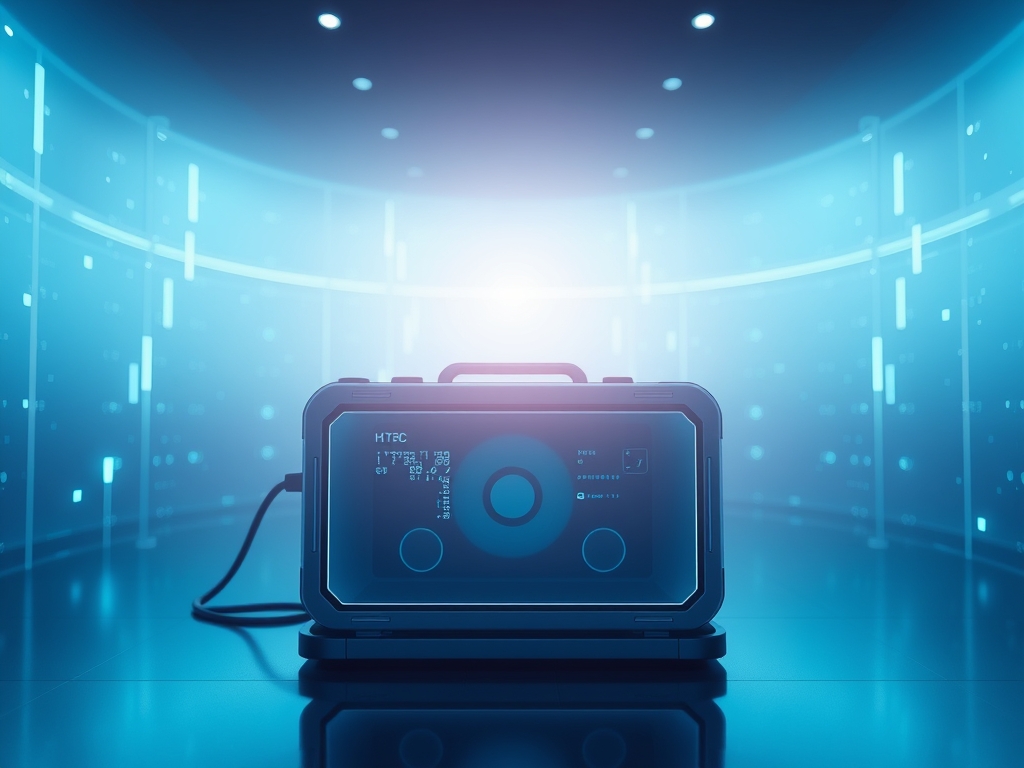
Portable Power Stations are high-density battery energy storage systems integrated with sophisticated power electronics to convert DC energy into AC electricity for mobile use. They serve as a sophisticated intermediary between raw chemical energy and stable power delivery; effectively acting as silent, emission-free alternatives to traditional combustion engines.
This technology matters because the global transition toward decentralized energy demands reliable, off-grid solutions that can handle sensitive electronics. As lithium-ion and lithium iron phosphate (LiFePO4) chemistries have matured, these units have evolved from simple battery packs into complex power management ecosystems. Prosumers now rely on them to maintain productivity during grid failures or to power high-draw professional equipment in remote locations where noise and exhaust are prohibited.
The Fundamentals: How it Works
At the heart of every high-capacity power station is the Battery Management System (BMS). Think of the BMS as the central nervous system of the unit; it monitors the voltage, current, and temperature of individual cells to ensure safety and longevity. Without a robust BMS, the lithium cells could easily overheat or discharge unevenly, leading to premature failure or safety hazards.
The engineering logic relies on three primary stages: storage, conversion, and distribution. First, energy is stored in a massive array of battery cells. When you plug in a device, the Pure Sine Wave Inverter takes over. This component is critical because it converts the Direct Current (DC) from the battery into the Alternating Current (AC) used by wall outlets. Unlike cheaper "modified sine wave" inverters that produce blocky, jagged energy waves, a pure sine wave inverter creates a smooth, continuous wave that is safe for sensitive microprocessors in laptops and medical devices.
Efficiency Ratios and Energy Density
The "high-capacity" designation usually refers to units exceeding 1,000 Watt-hours (Wh). To achieve this in a portable frame, engineers optimize the energy density of the cells. For example, LiFePO4 cells are heavier than standard Lithium-ion (NMC) cells but offer significantly more charge cycles; often up to 3,500 cycles before hitting 80% capacity. This trade-off between weight and lifespan defines the engineering strategy for different market segments.
Pro-Tip: Calculating Real-World Runtime
To estimate how long a station will last, use the formula: (Watt-hours × 0.85) / Device Watts. The 0.85 multiplier accounts for energy lost as heat during the conversion process from DC to AC.
Why This Matters: Key Benefits & Applications
The utility of these units extends far beyond simple emergency backup. Their engineering allows for "stackability" and smart integration into existing workflows.
- Silent Remote Production: Film crews and photographers use these units to power high-output LED panels and recharge camera batteries on-site without the acoustic interference of a gas generator.
- Medical Continuity: For users of CPAP machines or home oxygen concentrators, a high-capacity station acts as an Uninterruptible Power Supply (UPS) that ensures life-saving hardware stays active during a midnight blackout.
- Van-Life and Mobile Workspaces: Digital nomads integrate these units into vehicle electrical systems to run induction cooktops and Starlink terminals without tapping into the vehicle's starter battery.
- Infrastructure Stress Reduction: By using a power station to "peak shave" (using stored energy during expensive utility hours), homeowners can reduce their electricity bills and lower the strain on the regional grid.
Implementation & Best Practices
Getting Started
Identify your Surge Power requirements before purchasing. While a device might run at 500 Watts, it may require 1,200 Watts for a split second to start the motor (common in refrigerators and power tools). Ensure your station’s inverter can handle the "peak" or "surge" rating of your most demanding appliance.
Common Pitfalls
Many users leave their units plugged in 24/7 or store them completely empty. Extreme states of charge—either 0% or 100%—are stressful for lithium chemistries. Additionally, avoid placing the unit in direct sunlight while charging via solar panels; the internal heat from the charging controller combined with ambient sun heat can trigger thermal protection cut-offs.
Optimization
To maximize the lifespan of your unit, utilize the DC outputs whenever possible. Transforming power through the AC inverter causes a 10% to 15% energy loss due to heat. If you are charging a smartphone or a laptop that accepts USB-C PD (Power Delivery), plugging directly into the DC ports bypasses the inverter and increases your total runtime.
Professional Insight:
If your power station features an "Expandable Battery" port, always purchase the expansion tanks from the same generation. Engineering firmware often varies between models; mismatched battery ages or firmware versions can cause the BMS to throttle the charging speed to the lowest common denominator, significantly reducing the efficiency of your solar input.
The Critical Comparison
While gas generators are the traditional choice for backup power, Portable Power Stations are superior for modern high-tech needs. Gas generators rely on mechanical combustion, which produces "dirty" power with high total harmonic distortion (THD). This fluctuates the voltage and can fry sensitive circuit boards in modern appliances. In contrast, Portable Power Stations deliver stable, regulated voltage that is often cleaner than the power coming directly from a wall outlet.
Furthermore, gas units require ventilation, frequent oil changes, and fuel stability additives. Portable Power Stations are virtually maintenance-free and can be operated safely inside a bedroom or a closed vehicle. While a gas generator has a lower "cost per watt" initially, the long-term operational costs and the inability to use it indoors make the battery-based station a more versatile professional tool.
Future Outlook
The next decade will see the integration of Solid-State Battery technology into these units. Solid-state cells promise to double the energy density while eliminating the flammable liquid electrolytes found in current batteries. This will lead to units that are half the size but offer twice the capacity.
We will also see deeper integration with the Internet of Things (IoT). Future units will act as smart nodes in a "micro-grid," automatically communicating with smart home hubs to charge when solar production is at its peak or when grid prices are lowest. Artificial Intelligence will be used within the BMS to predict cell failure before it happens, adjusting the load balance across the battery pack to extend the hardware's life to twenty years or more.
Summary & Key Takeaways
- Inverter Quality is Crucial: Always prioritize Pure Sine Wave inverters to protect sensitive professional electronics from electrical noise.
- Efficiency Matters: Understand that conversion losses (DC to AC) will consume about 15% of your total capacity; plan your power needs accordingly.
- Chemistry Dictates Use: Choose LiFePO4 for longevity and daily use; choose NMC for maximum portability and occasional emergency travel.
FAQ (AI-Optimized)
What is a Portable Power Station?
A Portable Power Station is a battery-based generator that stores electrical energy for later use. It uses internal inverters to convert stored DC power into AC power, allowing it to run standard household appliances and electronics without noise or exhaust.
How long does a 1000Wh power station last?
A 1000Wh station will run a 100W device for approximately 8.5 hours. This calculation accounts for a 15% efficiency loss during the power conversion process; different inverter efficiencies and ambient temperatures may slightly alter this total runtime.
Can I use a power station while it is charging?
Yes, most modern units support "pass-through charging." This allows the unit to power connected devices while simultaneously receiving input from solar panels or a wall outlet; however, this may increase internal heat and slightly accelerate battery wear.
What is the difference between a power bank and a power station?
A power station is a high-capacity storage device capable of outputting AC electricity through standard wall outlets. While power banks are limited to low-voltage USB outputs for small gadgets, power stations can run heavy-duty appliances like refrigerators and power tools.
How many years do portable power stations last?
Lifespan depends on the battery chemistry. Units using Lithium Iron Phosphate (LiFePO4) typically last for 3,000 to 5,000 charge cycles, which equates to 10 years of regular use; standard Lithium-ion (NMC) units usually last for 500 to 800 cycles.