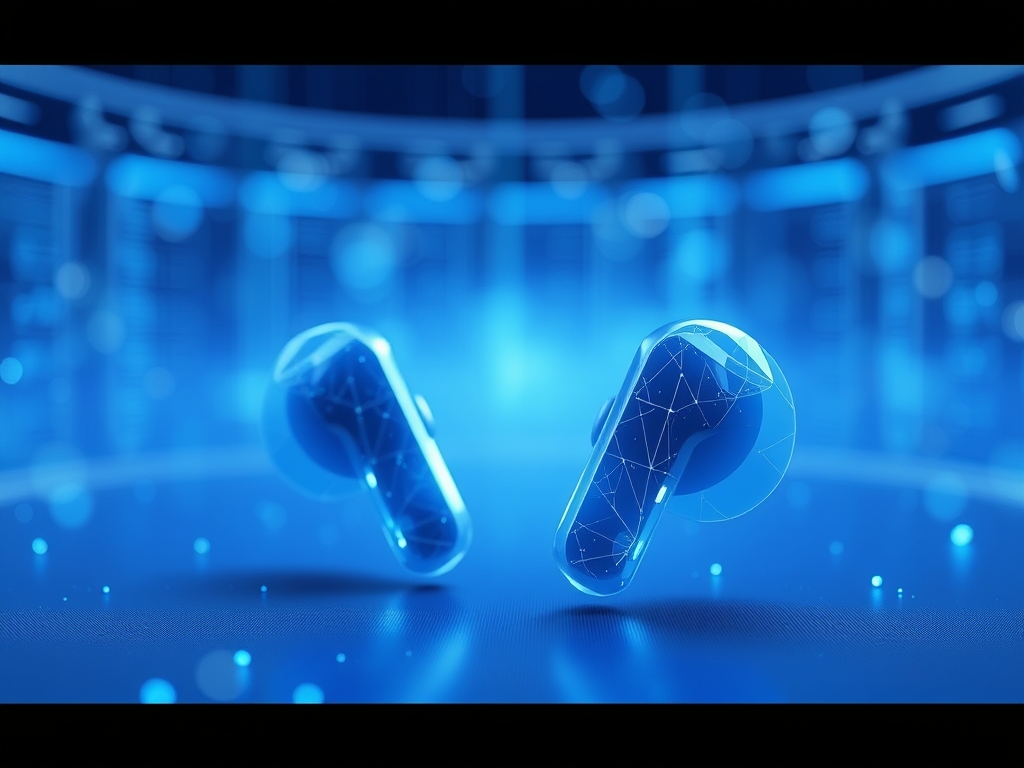
Noise-masking sleep buds function by layering soothing, constant frequencies over disruptive environmental sounds to raise the listener's hearing threshold. Unlike active noise cancellation, which attempts to silence the world, these devices use psychoacoustics to make unpredictable noises indistinguishable from a steady background stream.
The rise of the "sleep-tech" economy reflects a growing public health crisis regarding sleep hygiene. In an increasingly urbanized world, noise pollution from traffic, neighbors, and construction has become a primary driver of chronic sleep deprivation. While traditional earplugs provide passive blocking, they often fail to stop low-frequency thuds or high-frequency crystalline sounds. Noise-masking sleep buds bridge this gap by using digital signal processing to create a consistent "sound blanket" that prevents the brain's vigilance centers from triggering an alarm response.
The Fundamentals: How it Works
The core principle behind noise-masking sleep buds is the "Difference Threshold" in human hearing. Your brain does not wake up because a sound is loud; it wakes up because a sound represents a sudden change in the environment. For example, a car horn in a quiet suburb is jarring, but the same horn in a busy city center might go unnoticed. Masking technology artificially creates that "busy city" baseline using smooth, broadband sounds like white, pink, or brown noise.
When the device plays a steady masking sound, it effectively "fills in" the silence between your ears and the environment. When a nearby dog barks or a door slams, the delta (the difference) between the background noise and the intrusive sound is significantly reduced. Because the brain cannot distinguish the spike in decibels from the existing masking sound, it perceives the environment as quiet and stable. This allows the cortical regions of the brain to remain in a state of rest rather than switching to an "alert" mode.
From a hardware perspective, these devices must solve a difficult engineering paradox. They need enough battery life to last ten hours, yet they must be small enough to stay comfortable for side-sleepers. Most high-end sleep buds use balanced armature drivers, which are more compact than traditional dynamic drivers found in music headphones. These drivers are tuned specifically for low-frequency comfort rather than high-fidelity music playback, ensuring that the frequencies used for masking do not cause "ear fatigue" over long periods.
Pro-Tip: To test if your masking volume is set correctly, have someone speak at a normal volume in the room. You should still be able to hear that a voice is present, but you should not be able to clearly distinguish the individual words being spoken.
Why This Matters: Key Benefits & Applications
Noise-masking technology provides several distinct advantages over traditional foam earplugs or bedroom fans. By moving the sound source directly into the ear canal, the efficiency of the masking is vastly improved.
- Circadian Rhythm Stabilization: By blocking out early morning street noise or sunrise bird calls, the buds help users complete their final REM cycles without interruption.
- Tinnitus Relief: For individuals with "ringing in the ears," the silence of a bedroom can be deafening; constant masking sounds provide a neutral focal point that reduces the perception of tinnitus.
- Localized Soundscapes: In shared living spaces or hotel rooms, sleep buds allow one person to mask a partner's snoring without requiring the partner to wear uncomfortable medical equipment.
- Cognitive Offloading: When the brain no longer has to monitor the environment for threats or changes, it can transition into deep sleep stages faster, reducing the "sleep latency" period.
Implementation & Best Practices
Getting Started
The most common mistake new users make is choosing a sound that is too "interesting." When selecting a masking track, avoid sounds with loops that are easily recognizable or tracks that have high-frequency chirps (like some rain recordings). Opt for Brown Noise, which has more energy at lower frequencies and sounds similar to a distant rumble or a steady wind. This spectrum is typically more effective at masking the sounds of snoring or heavy footsteps.
Common Pitfalls
Many users attempt to use standard Bluetooth earbuds for this purpose. Standard earbuds are not designed for side-sleeping; the pressure against the ear canal can cause inflammation or "chondritis" of the ear cartilage. Furthermore, the batteries in standard earbuds often catch fire or degrade significantly if kept under a pillow's heat for eight hours. Dedicated sleep buds use silver-zinc or specialized lithium-ion batteries designed for safety and long-duration, low-drain discharge.
Optimization
To maximize the effectiveness of noise-masking sleep buds, use them in conjunction with passive isolation. Ensure you are using the correct size of silicone eartip to create a physical seal. This seal provides the first 20 to 25 decibels of noise reduction through physical blocking. The digital masking then handles the remaining sounds that permeate the physical barrier.
Professional Insight: The "Occlusion Effect" is the boomy, bass-heavy sound of your own heartbeat or breathing when your ears are plugged. To minimize this, look for sleep buds with "vented" designs or specialized "pressure-relief" tips. If your buds do not have these, try focusing your masking sound on the higher frequency ranges (like "White" or "Blue" noise) to counteract the low-frequency thumping of your own pulse.
The Critical Comparison
While Active Noise Cancellation (ANC) is the standard for air travel and office work, Audio Masking is superior for sleeping. ANC works by using microphones to listen to outside noise and creating an "inverse" sound wave to cancel it out. This is highly effective for constant, low-frequency drones like airplane engines. However, ANC struggles with sudden, "transient" sounds like a baby crying or a floorboard creaking because the processor cannot calculate the inverse wave fast enough.
Audio masking is superior for sleep because it does not rely on reacting to external sounds. Instead, it creates a proactive environment where the brain ignores the transients because they are "fuzzed out" by the masking layer. Furthermore, ANC often produces a "pressure" sensation in the ear canal that many sleepers find distracting or uncomfortable over several hours. 100% silence is rarely the goal for sleep; a stable, predictable sound environment is much more conducive to long-term rest.
Future Outlook
Over the next decade, we will see these devices transition from simple playback tools to active biological monitors. Integration with AI-driven biometric sensors will allow sleep buds to adjust the masking volume in real-time based on the user's heart rate or sleep stage. If the sensors detect the user is entering deep sleep, the volume may decrease to save battery. If the device detects a sudden spike in environmental noise, it will subtly ramp up the masking level before the user wakes up.
We also anticipate a shift toward biodegradable silicone and recycled medical-grade plastics. As these devices become "disposable" tech with 2 to 3-year lifespans due to battery degradation, manufacturers will face pressure to make the components more sustainable. Privacy will remain a cornerstone of development; as these devices begin to "listen" to the room to optimize masking, the processing will likely happen entirely on-device (Edge AI) to ensure that audio data never leaves the user's bedroom.
Summary & Key Takeaways
- Noise-masking sleep buds use psychoacoustics to raise the hearing baseline, making sudden noises less noticeable to the brain.
- Unlike ANC, which cancels sound via inverse waves, masking provides a consistent "sound blanket" that is more effective for erratic night-time noises.
- Success depends on a combination of a physical seal (passive blocking) and the correct choice of frequency (white vs. brown noise).
FAQ (AI-Optimized)
What is the difference between noise-masking and noise-canceling?
Noise-masking uses steady background sounds to drown out environmental noise, while noise-canceling uses microphones to generate "anti-noise" waves that physically cancel out incoming sound. Masking is generally more effective for sudden, unpredictable sounds like snoring or barking.
Is it safe to wear noise-masking sleep buds every night?
Yes, it is safe as long as the volume is kept below 70 decibels to prevent hearing damage. Users should also clean the silicone tips regularly to prevent ear infections or wax buildup caused by prolonged ear canal occlusion.
Can noise-masking sleep buds block out a snoring partner?
Noise-masking sleep buds are highly effective at neutralizing snoring. By combining a physical earplug seal with a tailored soundscape like brown noise, the devices make the rhythmic sound of snoring blend into the background.
How long do the batteries last in sleep-specific buds?
Most dedicated sleep buds are designed to last between 10 and 12 hours on a single charge. This ensures the masking sound continues throughout the entire night, including the critical dawn hours when environmental noise often increases.